Structured Data That Search Engines and AI Understand
White Label Schema Markup

Clear signals
Implemented and validated
What you get
- Schema Audit
- Organisation & LocalBusiness
- Service & Product Schema
- FAQ & Article Schema
- Validation & Error Fixes
- White Label Reports
The details
What's included in white label schema markup?
Schema audit
We check existing structured data for errors, gaps and conflicting plugins.
Organisation and LocalBusiness
Business details, logos, locations, opening hours and profiles connected in one clear graph.
Service and Product
Schema for service pages and products, including offers, reviews and pricing where relevant.
FAQ, Article and Person
Structured data for FAQs, blog posts and authors to support expertise and trust.
Implementation
Added through the client's SEO plugin, theme or tag manager, whichever suits the site.
Validation
Tested in Google's Rich Results Test and Schema.org validator, with errors fixed.
How our white label schema markup works
Schema markup is structured data that describes a page in a language search engines understand. It can make a page eligible for rich results, and it helps search engines and AI systems connect a business with its services, locations and people.
- Audit We check the client’s existing schema and find errors, gaps and duplicates.
- Plan We choose the right schema types for each template: home, services, locations, products and posts.
- Implement We add the markup through the site’s SEO plugin, theme or Google Tag Manager.
- Validate We test every template and fix errors before handing over.
Schema as part of SEO and AEO
Schema is one of the technical foundations checked in our SEO audits and AI visibility audits. It also supports local SEO through LocalBusiness markup and GEO through clear entity information.
Case studies
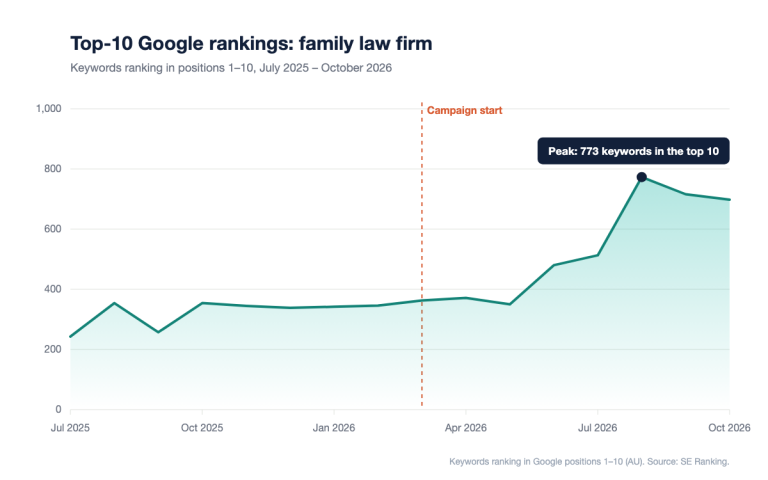
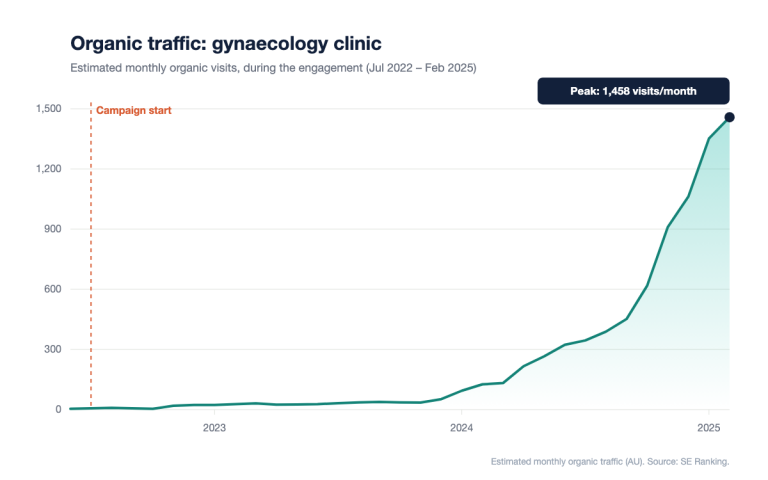
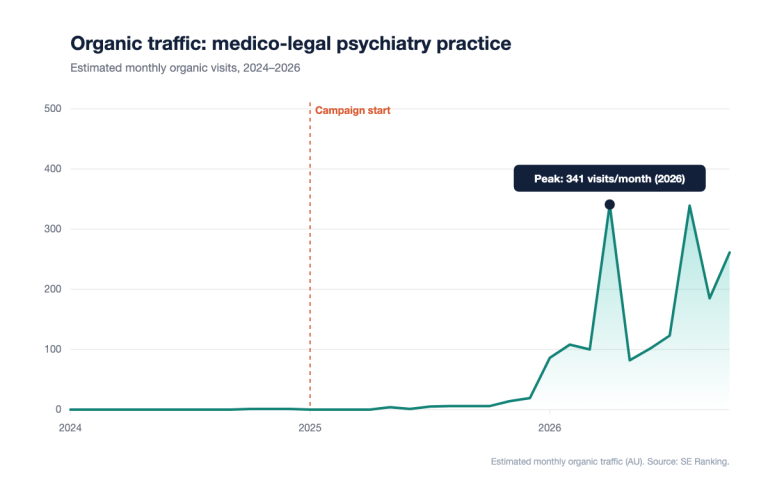
We got our first lead from AEO and closed them. It's a great feeling to know the work we're doing has translated to client acquisition so quickly.
Through Harry's services, the Google search rankings for almost all SEO target phrases have improved from low to very high rankings within a few months! I am very happy to recommend Technical Content Links for marketing consultants and ad agencies.
The team are fast to respond and always have answers when I need them. He's helped us scale our agency faster than we would have done so by hiring employees. I can't recommend the service enough.
FAQ
Everything you need to know
Does schema markup improve rankings?
Schema isn’t a direct ranking factor, but it can make pages eligible for rich results and helps search engines and AI systems understand the business.
Which CMS platforms can you add schema to?
WordPress, Shopify, Webflow, Wix and custom sites, usually through the SEO plugin, theme or Google Tag Manager.
Does FAQ schema still matter?
FAQ rich results are now limited in Google, but FAQ schema still clearly marks question-and-answer content for search engines and AI tools.
Will schema conflict with the client’s SEO plugin?
We check for this. Duplicate or conflicting schema is one of the most common problems we fix.