Know Exactly What Every Page Should Target
White Label Keyword Research

Mapped to pages
Built on search intent
What you get
- Keyword Research & Mapping
- Competitor Gap Analysis
- Search Intent Grouping
- Question & AI Prompt Research
- Content Calendar
- White Label Spreadsheet
The details
What's included in white label keyword research?
Site and competitor review
We start with the client's existing pages, rankings and closest competitors to see where the opportunities are.
Keyword discovery
We build a full list of relevant searches with volume, difficulty and trend data for the client's market.
Intent grouping
Keywords are grouped by what the searcher wants, from research to ready-to-buy, so each one goes to the right type of page.
Keyword mapping
Each group is mapped to an existing page or a recommended new page, with suggested titles and headings.
Question research
We find the questions people ask about the topic, which feed FAQs, blog content and visibility in AI answers.
Content calendar
New page and blog opportunities are turned into a prioritised content plan your team or ours can work through.
How our white label keyword research works
Keyword research is the foundation for everything else in an SEO campaign: page structure, on-page optimisation, content and link building all point back to it. Done badly, a campaign spends months chasing terms that never convert. Done well, every page has a job.
- Brief. You tell us about the client’s services, locations, best customers and competitors.
- Research. We pull search data for the client’s market, review what competitors rank for and identify gaps.
- Group and map. We group keywords by intent and map them to the site’s pages, flagging where a new page is needed.
- Hand over. You get a clean, unbranded spreadsheet (or one with your branding) plus a content calendar, and we can walk your team through it.
Why agencies outsource keyword research
Proper research takes time and paid tools, and it’s easy for a busy account manager to cut corners. Handing it to a specialist team means every new client starts with the same thorough process, and your strategists spend their time on the client relationship instead of exporting data.
Want to understand the process in more depth? Read our guide on the importance of keyword research and how to make it more efficient. Keyword research feeds directly into on-page SEO and SEO content.
Case studies
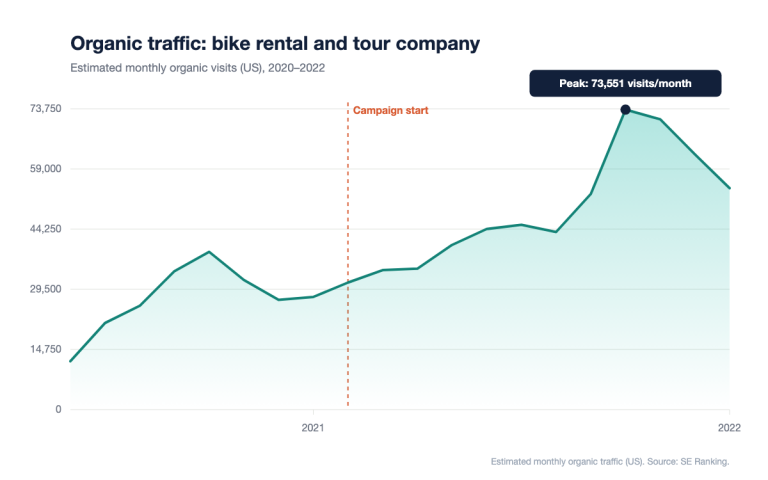
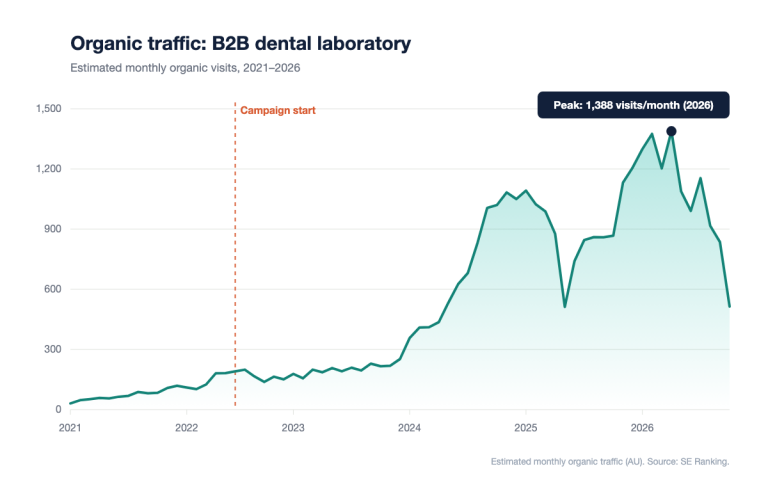
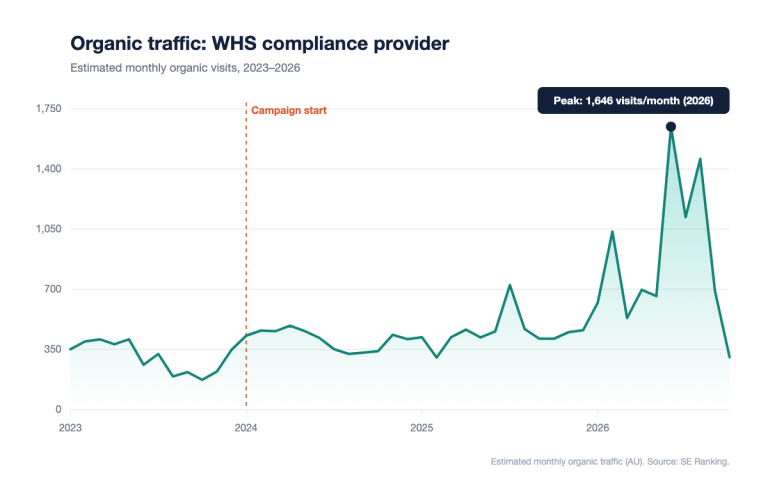
We got our first lead from AEO and closed them. It's a great feeling to know the work we're doing has translated to client acquisition so quickly.
Through Harry's services, the Google search rankings for almost all SEO target phrases have improved from low to very high rankings within a few months! I am very happy to recommend Technical Content Links for marketing consultants and ad agencies.
The team are fast to respond and always have answers when I need them. He's helped us scale our agency faster than we would have done so by hiring employees. I can't recommend the service enough.
FAQ
Everything you need to know
What is keyword mapping?
Keyword mapping assigns each group of related keywords to one page on the site. It stops pages competing with each other for the same searches and shows exactly where new pages are needed.
What format is the keyword research delivered in?
A spreadsheet with the keyword groups, search volumes, difficulty, intent and the page each group is mapped to, plus a content calendar for new pages and blog posts. It can be unbranded or carry your agency’s branding.
Does keyword research still matter with AI search?
Yes. AI answers draw on pages that clearly answer the questions people ask. Keyword and question research shows you what those questions are and the words people use, so the content can answer them directly.
How often should keyword research be updated?
Review it whenever the client adds services or locations, and refresh the core research roughly every six to twelve months, as search behaviour and competitors change.
Can you research keywords for local businesses?
Yes. For service-area and multi-location businesses we research location-based searches and map them to suburb or city pages. This pairs well with our white label local SEO.